

What You’ll Learn in This Article
- Why many people wake up tired even after sleeping 7–8 hours
- How stress, overthinking, and phone use affect sleep recovery
- Why sleep quality matters more than only sleep duration
- Common signs your body is not recovering properly during sleep
- Practical lifestyle habits that may help improve morning energy
Many people sleep for 7–8 hours but still wake up feeling exhausted.
This problem is closely related to constant fatigue, which I explained in detail in my main article on Why Am I Always Tired? 13 Hidden Causes of Constant Fatiguel.
Their body feels heavy. Their eyes feel tired. Their mind feels foggy. They struggle to feel fresh in the morning no matter how long they stay in bed.
This can feel confusing because most people believe that if they sleep for enough hours, they should automatically wake up energized. But sleep is not only about the number of hours. It is also about the quality of recovery happening during those hours.
In both clinical and online consultations, I commonly observe that many people think they have physical weakness when in reality their body is simply not recovering properly during sleep.
Modern lifestyle habits such as stress, overthinking, phone addiction, emotional exhaustion, poor sleep routines, and constant mental stimulation can quietly reduce sleep quality over time.
As a result, people wake up tired even after “full sleep.”
By the end of this article, you will better understand some of the most common hidden reasons many people wake up tired after 7–8 hours of sleep, and how daily habits, stress patterns, screen use, and emotional overload may quietly affect recovery and morning energy.
Doctor’s Observation
In both clinical and online consultations, I commonly observe that many people sleeping 7–8 hours still do not feel mentally or physically refreshed.
For many people, the problem is not simply lack of sleep — it is poor recovery caused by stress, emotional exhaustion, overstimulation, and modern lifestyle habits.
In many cases, fatigue starts mentally and emotionally before it becomes physical.
Here are some of the most common hidden reasons why many people wake up tired even after getting 7–8 hours of sleep.
1. Poor Sleep Quality
Sleeping longer does not always mean sleeping better.
Many people wake up multiple times during the night without fully realizing how badly it affects recovery. They may not remember every wake-up, but the body still feels the effect in the morning.
Common reasons include:
- stress
- anxiety
- late-night screen use
- irregular sleeping schedules
- excessive caffeine
- emotional pressure
If your brain never fully relaxes, your body cannot properly recover.
This is why some people sleep for 8 hours but still wake up feeling like they barely rested.
2. Stress and Overthinking Before Sleep

One of the most common causes of waking up tired is mental overload.
Many people lie in bed physically resting while their brain continues working.
They may keep:
- overthinking
- worrying
- planning
- replaying conversations
- thinking about work
- stressing about life
This keeps the nervous system active even during sleep.
When your mind stays stressed at night, your sleep may become lighter and less restorative. You may sleep enough hours, but your body does not fully enter a calm recovery state.
Long periods of stress may affect deep sleep, hormones, mood, and energy levels.
3. Excessive Phone Use at Night

Phone addiction is silently damaging sleep quality for millions of people.
Scrolling TikTok, Instagram, YouTube Shorts, or checking notifications before bed overstimulates the brain and may affect melatonin production. Melatonin is one of the hormones that helps your body prepare for sleep.
Many people use their phone until the last minute, then immediately try to sleep.
The body is lying in bed, but the brain is still stimulated.
Your brain needs calmness before sleep, not constant stimulation.
Late-night screen use may affect:
- sleep quality
- focus
- morning energy
- emotional recovery
- mental calmness
Many people do not realize how strongly phone use affects how they feel the next morning.
4. Emotional Exhaustion and Burnout
Sometimes the body is not physically tired. It is emotionally drained.
Career pressure, financial stress, relationship struggles, family responsibilities, and nonstop mental pressure slowly exhaust the nervous system.
Many ambitious people continue pushing themselves every day without proper emotional recovery.
They may still go to work, study, exercise, and complete daily tasks, but internally they feel drained.
Over time, mental fatigue becomes physical fatigue.
This is why some people wake up tired even after sleeping enough. Their body rested, but their emotional system did not recover.
5. Poor Sleep Schedule
Sleeping at different times every day can confuse the body’s natural rhythm.
Many people:
- sleep late on weekends
- stay awake at night
- wake up inconsistently
- spend nights on their phone
- take long irregular naps
This affects the body clock and reduces sleep quality.
Your body likes rhythm.
When your sleep timing keeps changing, your brain may struggle to know when to feel sleepy, when to wake up, and when to recover deeply.
Consistency matters more than most people realize.
6. High Stress Hormones
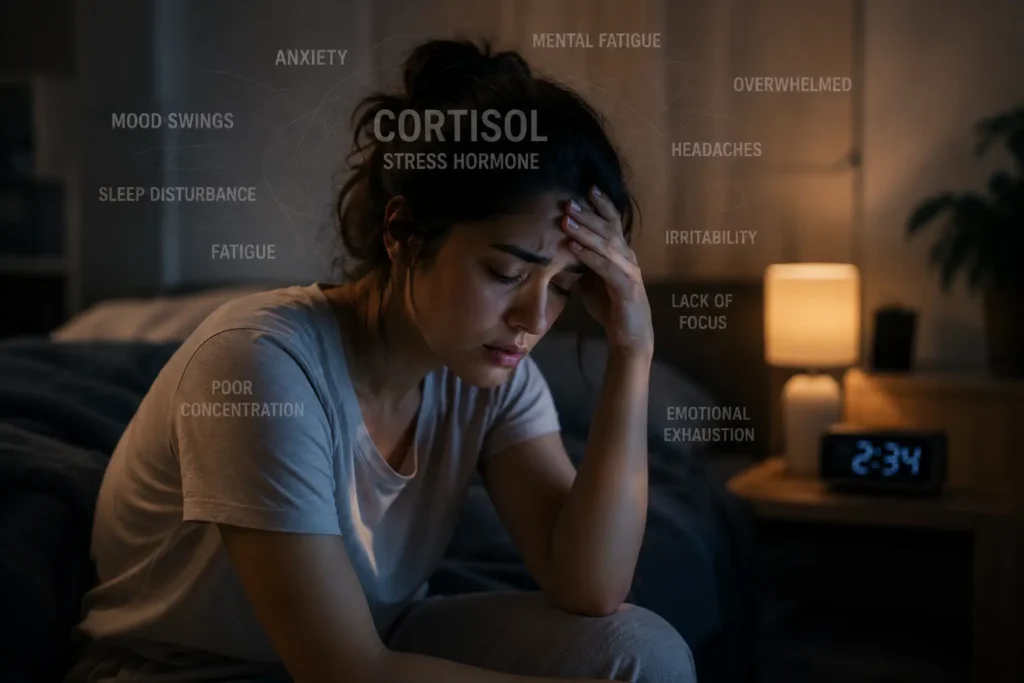
Long-term stress may keep stress hormones elevated for long periods.
Some people feel:
- tired but restless
- sleepy but unable to relax
- exhausted but mentally active
- calm outside but tense inside
This “wired but tired” feeling is extremely common today.
The person wants to rest, but the nervous system stays alert.
This can happen during periods of work stress, emotional pressure, burnout, overthinking, and poor sleep routines.
When the stress response stays active for weeks or months, the body may struggle to recover properly at night.
7. Lack of Physical Activity
Physical inactivity can worsen sleep quality.
People who spend most of their day sitting, studying, working on screens, or scrolling phones often experience poorer sleep recovery.
The body is designed to move.
Simple movement such as walking, stretching, light workouts, or resistance training may improve both sleep and energy levels.
Physical activity may help:
- reduce stress
- improve mood
- support sleep quality
- improve blood flow
- improve daily energy
You do not always need intense workouts. Even simple daily movement can make a meaningful difference over time.
8. Blood Sugar Swings During the Night
Poor eating habits may also affect sleep quality.
Heavy processed meals, sugary foods, or late-night eating can sometimes affect blood sugar balance during sleep.
Some people may then:
- wake repeatedly
- feel restless
- sweat during sleep
- wake up exhausted
- feel hungry or shaky in the morning
Balanced meals and healthier nighttime routines may help improve recovery.
This does not mean everyone who wakes up tired has a blood sugar problem. But for many people, food quality and meal timing can affect sleep and morning energy more than they realize.
Signs Your Body Is Not Recovering Properly
You may not be recovering properly if you:
- wake up exhausted daily
- need caffeine immediately
- feel mentally foggy
- struggle with motivation
- feel sleepy during the day
- wake up multiple times at night
- feel emotionally drained constantly
- feel tired even after sleeping
These signs do not always mean something dangerous is happening, but they do suggest that your body may not be recovering as well as it should.

Practical Recovery Steps
Many people notice meaningful improvement after consistently improving small daily habits affecting sleep quality and nervous system recovery.
- Reduce phone and screen exposure before bedtime
- Sleep and wake at more consistent times
- Increase daily movement and physical activity
- Reduce overstimulation before sleep
- Improve hydration and nighttime eating habits
- Manage stress and emotional overload more consistently
Good sleep is not only about quantity.
It is about recovery.
If your brain stays overstimulated, your stress remains high, your sleep schedule is irregular, and your body does not get proper movement, you may still wake up tired despite sleeping for 7–8 hours.
Small changes done consistently can make a big difference over time.
Frequently Asked Questions
Poor sleep quality, stress, emotional exhaustion, phone addiction, and disrupted sleep cycles may affect recovery even after enough sleep.
Yes. Long periods of stress may affect deep sleep, hormones, and nervous system recovery. This can make you wake up tired even after sleeping enough hours.
Yes. Excessive screen exposure before sleep may overstimulate the brain and affect melatonin production, making sleep less restorative.
Mental overload, overthinking, emotional stress, poor sleep, and constant stimulation may contribute to mental fatigue.
You should seek medical evaluation if fatigue becomes severe, persistent, or associated with symptoms such as chest pain, major weight changes, breathing difficulty, fainting, or severe insomnia.
Final Thoughts
Many people believe they are physically weak when in reality they are mentally overstimulated, emotionally exhausted, sleep deprived, and constantly stressed.
Modern lifestyle habits quietly destroy recovery over time.
Understanding the real causes of waking up tired is often the first step toward restoring energy, focus, and overall well-being.Final Thoughts
Many people believe they are physically weak when in reality they are mentally overstimulated, emotionally exhausted, sleep deprived, and constantly stressed.
Modern lifestyle habits quietly destroy recovery over time.
Understanding the real causes of waking up tired is often the first step toward restoring energy, focus, and overall well-being.
If your tiredness also comes with low motivation and low energy during the day, read my guide on why you may feel tired and have no energy. Why Am I Always Tired and Have No Energy?
Medical Disclaimer
This article is for educational and informational purposes only and should not replace professional medical advice, diagnosis, or treatment.
If symptoms are severe, persistent, or affecting your daily life, consult a qualified healthcare professional for proper evaluation and personalized guidance.
If needed, you may also seek personalized health guidance through the contact section available on this website.